
After the candle went out, I tore off the
tassel from his helmet.(滅燭絕缨)
The Zhou dynasty in China lasted from 1046
BC to 256 BC.
The period from 770 BC to 476 BC is known
as the Spring and Autumn period, while the period from 476 BC to 221 BC is
known as the Warring States period.
At that time, the supreme leader of China
was the king of the Zhou dynasty.
The Zhou king established more than 100
vassal states, each of which became a kingdom.
These kingdoms waged many fierce wars for
land and resources. Sometimes they cooperated and sometimes they were hostile
towards each other — it was an extremely chaotic era.
History books record a story from the Chu
Kingdom during the Spring and Autumn period.
One day, the King of Chu held a grand
banquet and invited all the kingdom's generals and officials to drink Chinese
rice wine and dine together.
The banquet began at dusk. After sunset,
the king ordered his servants to light all the candles and everyone continued
to enjoy the banquet by candlelight. At around ten o'clock, a sudden gust of
wind blew into the hall, extinguishing more than half of the candles instantly
and plunging the room into darkness.
The servants quickly relit the candles and,
after about ten minutes, the hall was brightly lit again.
At that moment, one of the king's favourite
concubines, who was seated beside him, whispered to him,
'In those few minutes when the candles went
out, I felt someone approach me. He tried to embrace me forcibly. I struggled
desperately to escape and, in the process, tore off a tassel from his helmet —
a decoration symbolising his rank.
I felt insulted. I want you to find that
general and kill that rude officer.'
Upon hearing his favourite concubine's
words, the king thought to himself:
All of the generals attending tonight's
banquet are among the most important military commanders in the Chu Kingdom.
They all have a distinguished record of military achievements and have loyally
fought for the kingdom in countless battles.
They are far more important to the Chu
Kingdom than my beloved concubine.
I don't know which officer committed this
rude act while drunk, but I don't think I should arrest him now. What should I
do?
The king made a quick decision. He suddenly
stood up and loudly addressed everyone at the banquet.
'Today's drinking has been truly enjoyable.
I am delighted to share this joy with the most important warriors of our
kingdom. I now declare that each of us must remove the tassel from our helmets
— the ornament that symbolises our rank — and during this banquet, none of us
may mention our class or status." During this banquet, none of us may
mention our class or status. Let us all continue drinking happily.' No one
attending this banquet may leave until they are drunk.
After the king had finished speaking, there
were enthusiastic cheers and applause in the banquet hall. Within a minute, all
the officers had removed the tassels from their helmets and everyone continued
to enjoy the banquet happily.
The idiom literally translates as 'After
the candle went out, I tore off the tassel from his helmet'.
It is used to describe someone who treats
another person magnanimously and tolerantly after they have made an
unintentional mistake.
Dear friend, what inspiration or thoughts
did you gain from this story?
If you were the king, how would you handle
the situation? Would you prioritise your lover or your friends?
I hope this story gives you some new
insights.
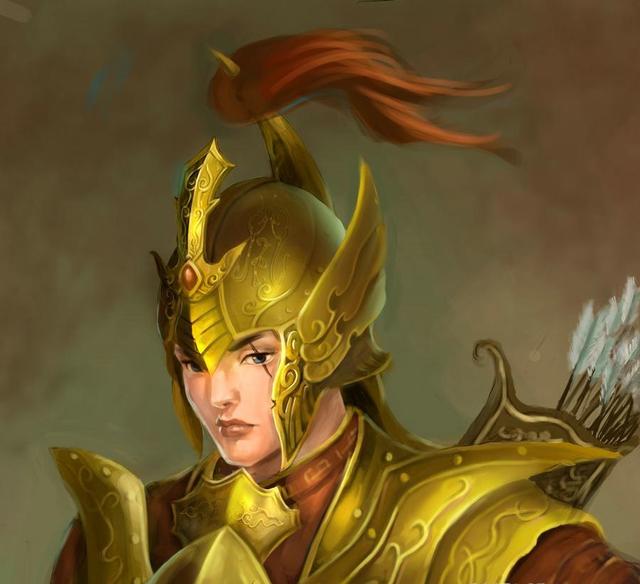
滅燭絕缨(After the candle went out, I tore off
the tassel from his helmet.)
中國周王朝的政權從公元前1046年延續到公元前256年。
其中從公元前770年到公元前476年這段時間被稱為春秋時代,公元前476年到公元前221年這段時間被稱為戰國時代
當時中國的最高領導人是周王朝的國王。
周王朝的國王把土地分封給100多個諸侯,這些諸侯各自成立的自己的王國。
這些王國之間為了爭奪土地與資源而發生許多慘烈的戰爭,這些王國之間有時候相互合作有時候彼此敵對,那是一個極度混亂的年代。
歷史書上記載了一個春秋時代的楚王國所發生的故事。
有一天,楚王國的國王舉辦了一場盛大的宴會,他在這場宴會中招待王國內所有的將官一起喝中國米酒一起吃飯。
這場盛大的活動從傍晚開始,太陽落下後,國王下令僕人們將所有的蠟燭全部點上,所有人在燭光的照映下繼續開心地享受這場宴會。
到了接近晚上十點的時候,突然有一陣強風吹入宴會廳,宴會廳中的蠟燭瞬間被吹熄的超過一半,宴會廳中變得非常昏暗。
僕人們趕緊重新點燃這些蠟燭,大約十分鐘後,宴會廳中重新變得光亮。
就在這個時候,國王身邊坐著的一個他所寵愛的妃子悄悄地對國王說。
就在剛才蠟燭熄滅的那幾分鐘內,我感覺到有一個人接近我,他想要強行地抱我,我為了逃避他所以我就拼命地掙扎,在掙扎的過程中,我把他的頭盔上的一根用來裝飾與象徵位階的流蘇扯下來了。
我感覺受到了侮辱,我要你把那個將官找出來並且殺了那個無禮的將官。
國王聽到這個自己所寵愛的妃子的話後,他的心中對自己說。
今天晚上參加這場宴會的所有將官都是楚王國中最重要的軍事將領,他們每個人都有顯赫的戰績,他們都忠誠地為了楚王國到處征戰。
他們對楚王國的重要性遠遠超過我所寵愛的這個妃子。
我不知道是那一個將官因為喝酒醉所以做出了這件失禮的行為,但是我認為我不應該在這個時候生氣並且抓捕這個將官,我該怎麼做呢?
國王快速做的一個決定,他突然間站起來。他對參加這場宴會的所有人大聲地說。
今天喝酒真的喝得太開心了,我很開心可以跟我們王國中最重要的勇士們一起同歡。我現在宣布,讓我們每個人都把自己的頭盔上的一根用來裝飾與象徵位階的流蘇扯掉,今天這場宴會中,我們每個人不不可以再提起自己的階級與身分,讓我們所有人繼續開心地喝酒,今天參加這場宴會的所有人,如果沒有喝醉就不准離開。
國王說完這些話後,宴會廳中爆出了熱烈的喝采聲與掌聲,接下來的不到一分鐘內,所有的將官都動手把自己頭盔上的那根流蘇扯掉,在場的所有將官們繼續開心地享受歡樂的宴會。
這句成語直接翻譯的意思是蠟燭熄滅後他的頭盔上的流蘇被我扯下。
這句成語被用來形容一個人用一種寬大且容忍的態度對待另一個不小心犯錯的人。
親愛的朋友,你聽完這個故事有怎樣的啟發或有怎樣的想法呢。
你如果是國王,你會怎樣處理這個情況呢?你認為你的愛人比較重要還是朋友比較重要呢?
我期待這故事能讓你產生一些新的收穫。
出處為說苑-卷6-復恩
https://zh.wikisource.org/zh-hant/%E8%AA%AA%E8%8B%91/%E5%8D%B706