
詅痴符(They flaunt the
symbol of foolishness that marks them.)
本部落格寫作緣起,原是為了向國際友人介紹中華文化。因此行文中,為求簡明易懂,例如將皇帝、王等傳統頭銜,統一簡化為國王,並盡量直稱其名。此為譯介之便,非為考據之疏。若您欲查閱嚴謹史料,請以文末所附典籍出處為準。
中國的南北王朝時代,有一個著名的大臣與文學家,他的名字是顏之推。
他寫了一本書分享自己的人生經驗給他的孩子,他所寫的這本書被大家所喜愛與傳播,這本書其中的許多內容至今為止仍然深刻地影響著許多中國人。
他在這本書中寫過一段話如下。
在中國的南方的長江下游附近,那邊的人們用一個專門的詞組來稱呼那些自以為聰明而且有才華的人,這句詞組的意思是他炫耀著自己身上那個標誌著愚蠢的符號。
這類型的人我在這輩子中也看到過很多,他們不知道自己的才華拙劣而且思想平庸,他們覺得自己寫的文章寫得非常巧妙與出色,他們喜歡跟所有人分享他們所寫的文章,他們到處傳播自己寫的文章。
我最近聽到一個實際的事件,這個事件可以很清楚地傳遞出這種人的樣貌。
在現在的中國的山西省附近,有一個著名的家族,這個家族中的很多人都是讀書人,這個家族中有很多人都在中央政府或地方政府內擔任官員。
這個家族中有一個年輕的男人,這個男子很熱衷於寫詩寫文章,他把他所寫的那些作品拿去給一些著名的學者看,這些學者看到他所寫的詩與文章後,內心覺得這些詩與文章非常的平庸又低劣,但是這些學者基於一種保持禮貌與避免得罪人的心態,這些學者給了這個男子的文章用詞很正面的評價。
這個年輕的男人聽到這些學者對他的作品的評價之後,他沒有覺察到這些學者真實的意圖,他認為這些學者們真誠地讚美他的詩與文章,這個男人的心中起了驕傲與誇耀的心。
這個男人對自己的妻子說。
我準備舉辦一場宴會,我要邀請我們住的這座城市中親人與好友來參加這場宴會。我要在宴會上公開地發表我所寫的這些詩與文章,我準備把這些詩與文章印成書然後贈送給所有來參加宴會的人。
這個男子的妻子出身於另外一個大家族,這個男子的妻子是一個很有見識的人,她也讀過很多好的詩與文章,她知道自己的丈夫所寫的那些作品非常的差,她知道如果自己的丈夫舉辦了這場宴會,那麼自己的丈夫將會為自己與自已的家庭帶來極大的嘲笑,她哭著請求她的丈夫打消這個舉辦宴會並公開發表作品的念頭,她的丈夫很生氣地拒絕她,她的丈夫對她說。
我沒有想到我的妻子竟然無法理解我是一個多麼有文學才華的人,如果妳不支持我的行動,那麼我怎麼有辦法讓別人看到我的才華呢?
這句成語直接翻譯的意思是他炫耀著自己身上那個標誌著愚蠢的符號。
這句成語被用來形容那些文章寫得很拙劣但是自己卻不知道還自以為自己的文章寫得很好的人。
這句成語被用來引申形容那些無法客觀地認清並評價自己的能力的愚昧的人。
親愛的朋友,你聽完這個故事有怎樣的啟發或有怎樣的想法呢。
你是否覺得自己很有某方面的才能呢?你的這項認知你認為有客觀的依據嗎?
我期待這故事能讓你產生一些新的收穫。
出處為顏之推-顏氏家訓-卷4-文章篇
https://zh.wikisource.org/wiki/%E9%A1%8F%E6%B0%8F%E5%AE%B6%E8%A8%93/%E5%8D%B7%E7%AC%AC4
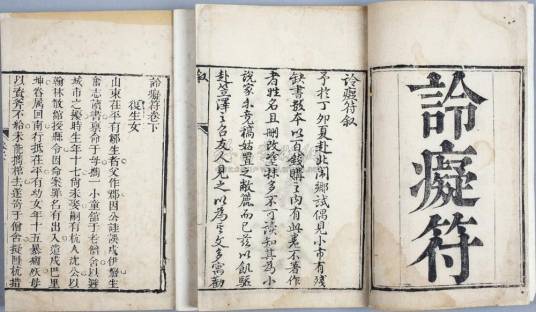
They flaunt the symbol of foolishness that
marks them. (詅痴符)
This blog was originally intended as an
introduction to Chinese culture for international readers. For the sake of
simplicity and ease of understanding, traditional titles such as 'Emperor' and
'King' have been simplified to 'King', and the person's name is used directly
wherever possible. This is for the sake of translation convenience, not
historical accuracy. If you wish to consult rigorous historical sources, please
refer to the bibliographical references at the end of the article.
During the Northern and Southern Dynasties
period in China, there was a famous minister and writer named Yan Zhitui.
He wrote a book in which he shared his life
experiences with his children. This book was widely loved and disseminated, and
many of its ideas still influence Chinese people today.
He wrote the following passage in this
book:
'In the lower reaches of the Yangtze River
in southern China, people use a special phrase to refer to those who consider
themselves clever and talented. This phrase means that they flaunt the symbol
of foolishness that marks them.'
I have seen many people like this in my
life. They are unaware of their own lack of talent and mediocre thinking. They
believe their writing is ingenious and excellent, and they love to share it
with everyone, spreading their work far and wide.
I recently heard about a real-life incident
that clearly illustrates this type of person.
In present-day Shanxi Province in China,
there was once a prominent family. Many of its members were scholars and held
official positions in central or local government.
One young man in the family was passionate
about writing poetry and prose. He showed his work to some renowned scholars.
However, these scholars found his poems and essays mediocre and inferior. Out
of politeness and to avoid offending anyone, they gave the young man's writing
very positive feedback.
Upon hearing the evaluations of these
scholars, the young man, unaware of their true intentions, believed that they
were sincerely praising his work. A sense of pride and boastfulness arose
within him. He told his wife, "I'm going to host a banquet. I want to
invite relatives and friends from our city. I want to display my poems and
articles publicly at the banquet and I plan to print a book of them to give to
everyone who attends.'
The man's wife came from a larger family.
She was a very knowledgeable woman who had read many good poems and articles.
She knew her husband's writing was poor. She knew that if he went ahead with
the banquet, it would bring great ridicule upon them both and their family. She
cried and begged her husband to abandon the idea of holding the banquet and
displaying his work publicly. He angrily refused, saying, "I never
imagined my wife couldn't see how talented I am in literature. If you don't
support me, how can I expect others to recognise my talent?"
This idiom can be directly translated as
'he flaunts the symbol of foolishness he wears'.
It is used to describe people whose writing
is poor, but who are unaware of this fact and believe that their writing is
excellent.
It is also used metaphorically to describe
people who are ignorant and unable to recognise and evaluate their own
abilities objectively.
Dear friend, what inspiration or thoughts
did you gain from this story?
Do you feel you have a particular talent?
Is this perception based on objective evidence?
I hope this story gives you some new
insights.